Insta modernized the control system of an operational fish feed plant as a turnkey delivery, replacing a 20-year-old system. Key factors enabling the successful completion of the approximately one-year design and commissioning process within a tight schedule included commitment to a shared goal, disciplined project management, and a systematic approach.
Published on April 22 2021. Updated on April 28 2026.
Alltech Fennoaqua (formerly Raisioaqua) is a Finnish fish feed manufacturer supplying feed to fish farms across Finland and the Baltic Sea region. The company specializes in producing feed specifically designed for fish farming in northern conditions.
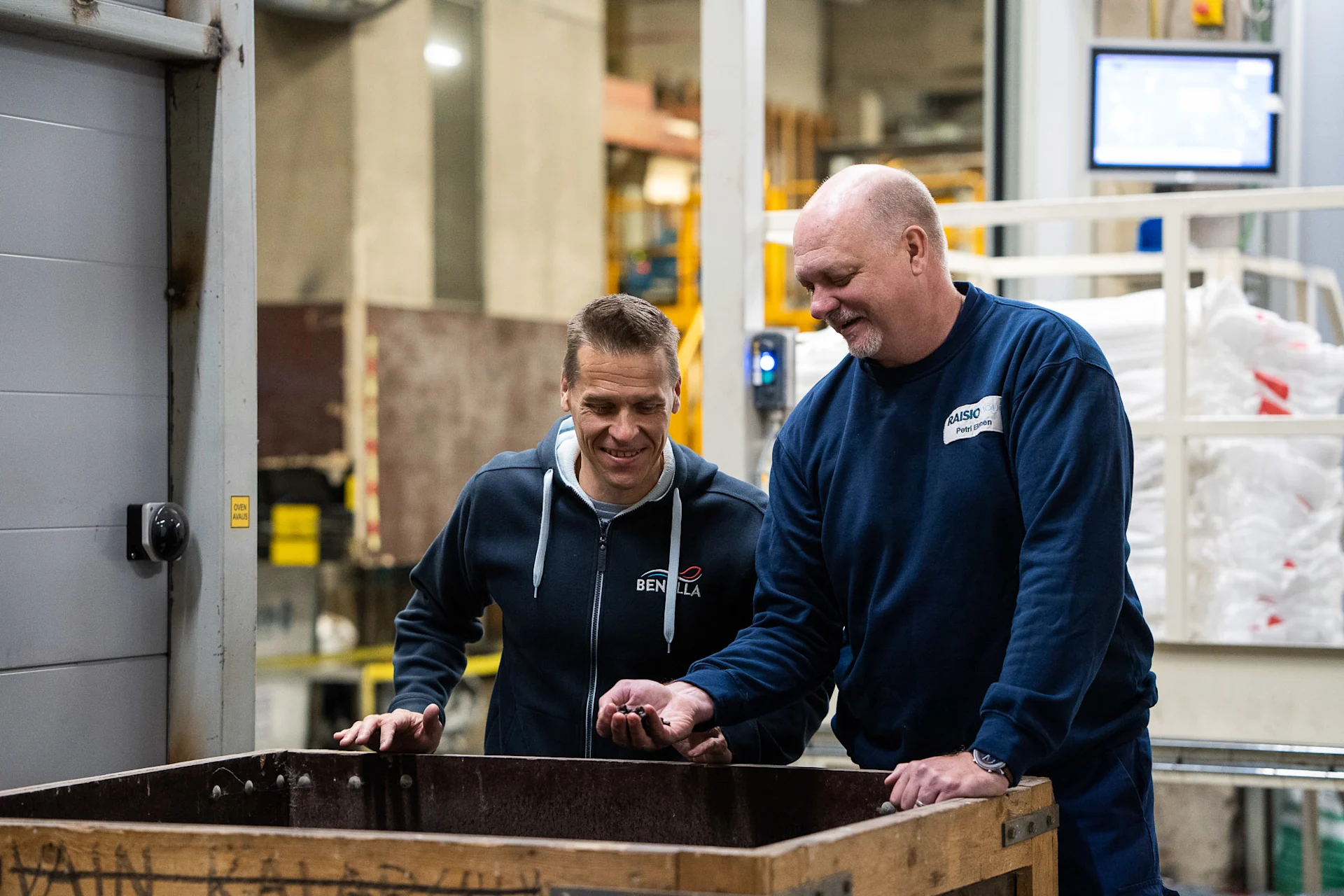
Approximately 13 million kilograms of fish are farmed annually in Finland, and fish farmers have high requirements for feed quality. Fish feed supplied to fish farms must be high-quality and healthy, and the solutions must also be sustainable from an environmental perspective. Alltech Fennoaqua’s fish feed is primarily produced from Baltic herring and sprat sourced from the Baltic Sea. This enables the circulation of the Baltic Sea’s own nutrients without introducing external nutrient loads. As a result, the environmental impact of fish farming has been reduced by half over just over a decade.
Insta implemented a partial automation upgrade at Alltech Fennoaqua’s production facility, modernizing the control system as a turnkey delivery using Siemens technology.
Broader modernization delivers the best results also for future expansion needs
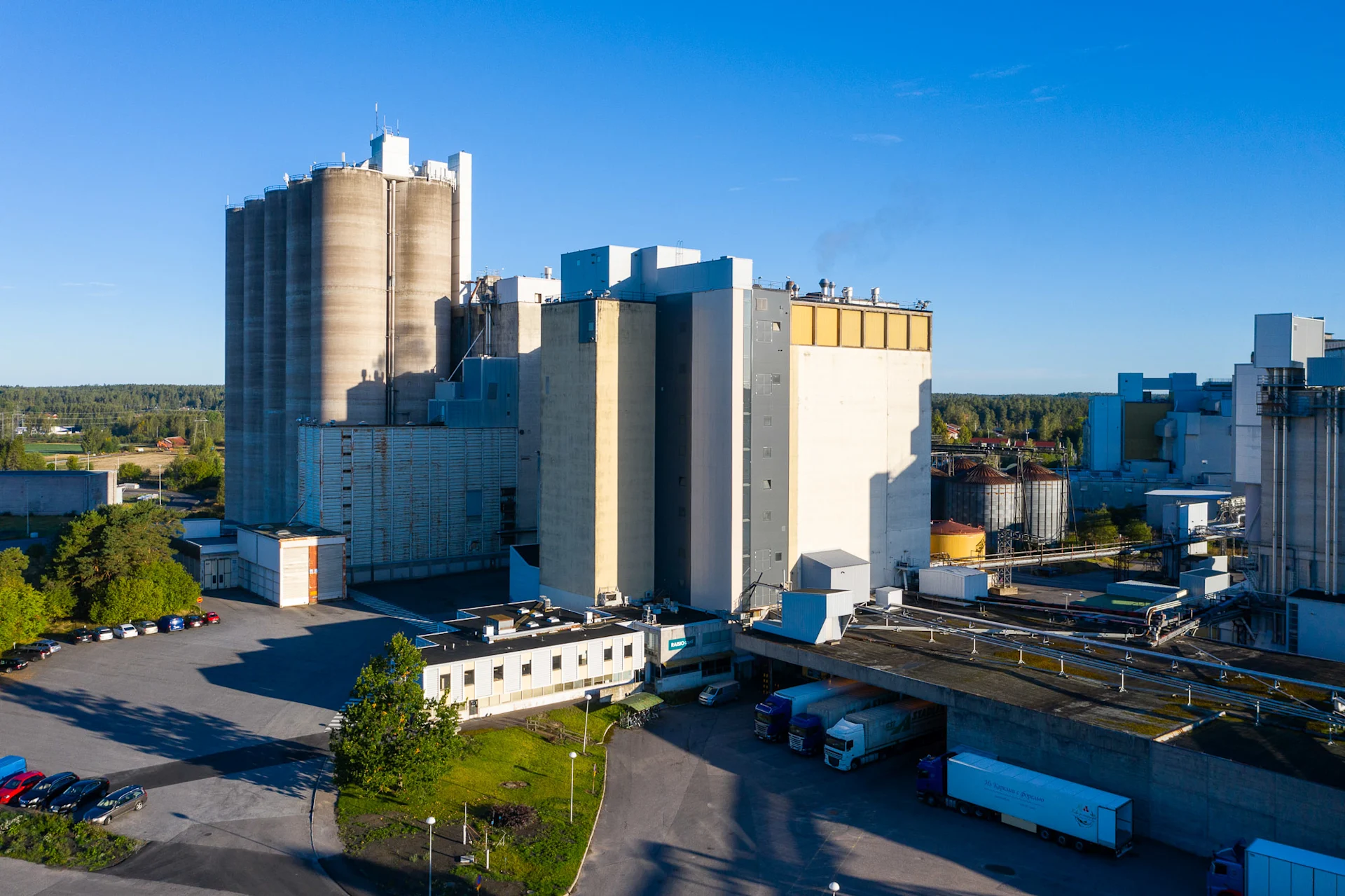
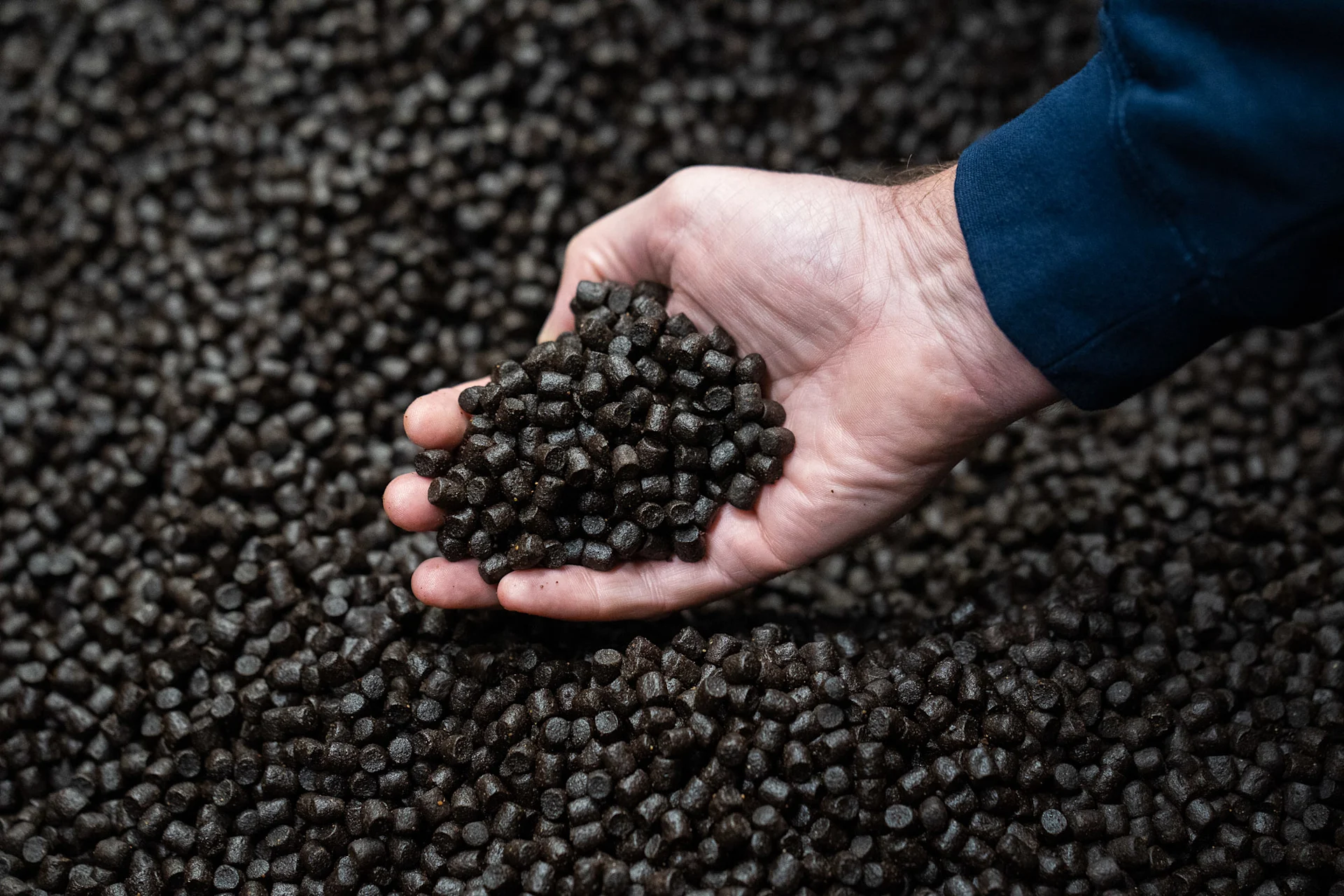
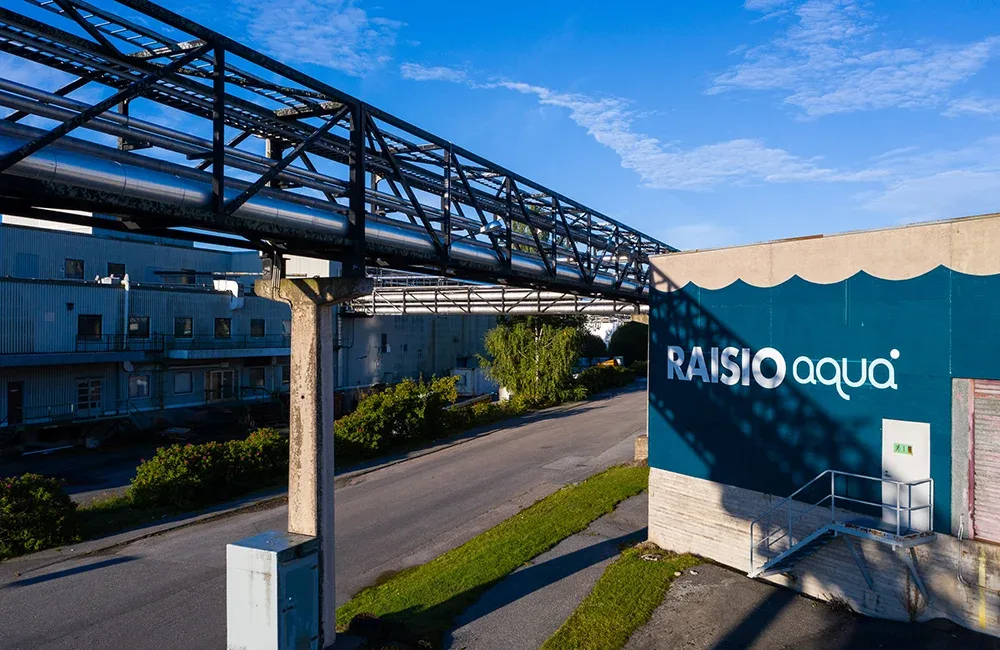
The production facility located in Raisio was built in 1970. Fish feed production at the site began in 1986, and since 2014 the facility has focused exclusively on fish feed production. The production lines are located in two tall towers at the plant, each producing approximately 25,000 tons of feed annually. The feed pellets pass through various stages—such as drying, dust removal, oil addition, and cooling—before being bagged and transported to customers.
The automation system implemented in the 1980s was reaching the end of its lifecycle, and the availability of spare parts had long been challenging. Two alternative implementation approaches were proposed for the automation upgrade: either renewing the system largely while retaining the existing equipment interfaces, or carrying out a more extensive modernization of the entire system. In the latter option, the control of process equipment would also be renewed, including field modifications, distributed control cabinets, and motor starters. The broader option would take automation a significant step forward and deliver the best results also with regard to future expansion needs, but it would also be considerably more demanding.
In Raisio, the latter option was chosen. The delivery by Insta covered hardware and software design for the new system, equipment procurement, factory acceptance testing, as well as installation, testing, commissioning, and on-site trial runs at the customer’s facility. The delivery also included a MES production management system and its integration with the production automation system and the enterprise resource planning system.
Modernization is like renovating an old house
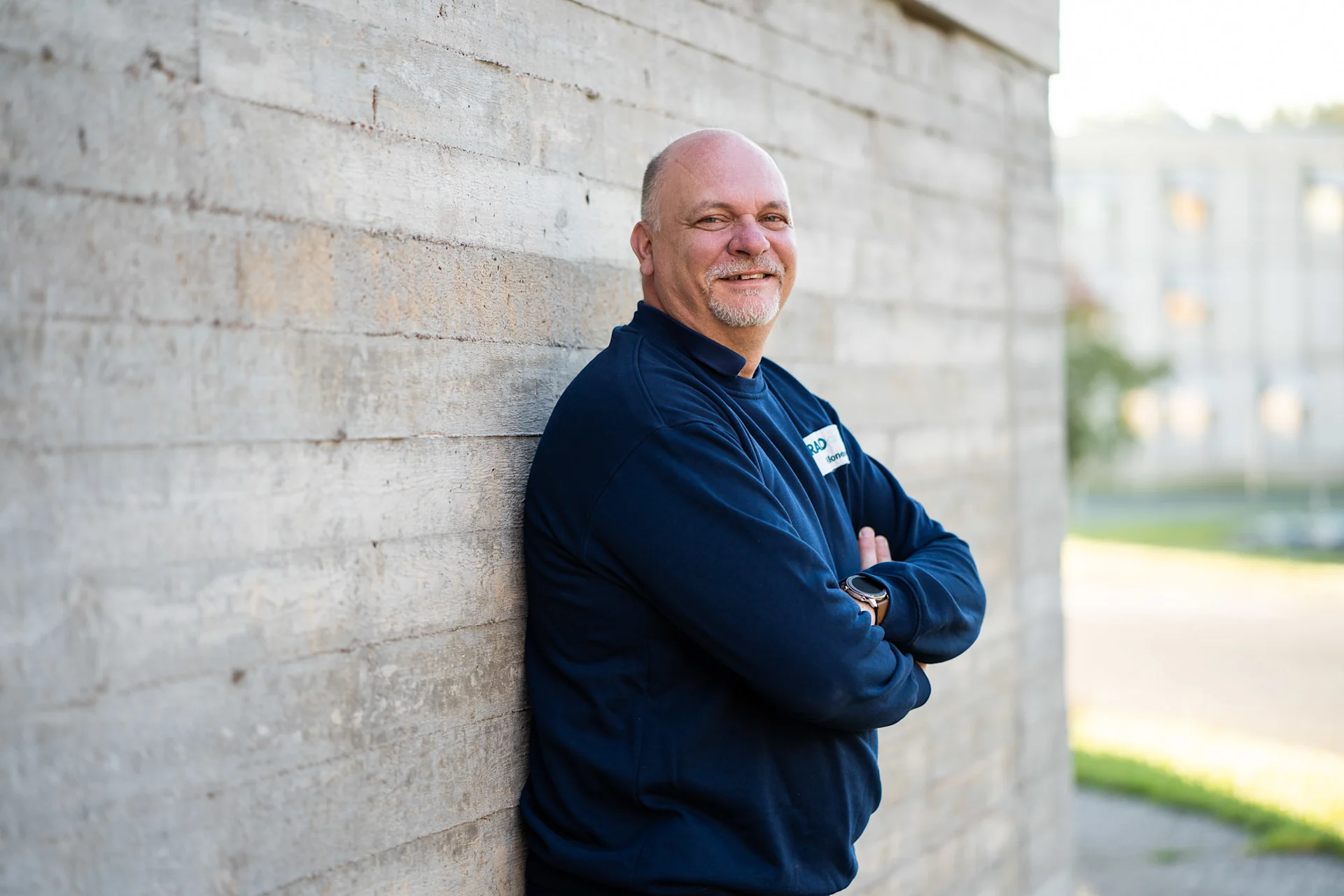
Plant Manager Petri Elonen says they had already heard positive feedback about Insta’s operations before the tendering phase. They describe Insta as having conveyed an expert impression of its competence and way of working during the tendering process, which carried weight in the partner selection.
Overall, the modernization took approximately one year. Elonen compares the factory’s automation upgrade to renovating an old house:
“Along the way, I’ve had the feeling that this is like renovating an old house—and not the easiest kind. Compared to renovating the old, building something new from a clean slate would seem easier,” he describes.
As the design phase progressed, the scope of the modernization and the components included became more clearly defined, and details emerged that had not been identified in the preliminary planning carried out for the tendering phase. It was considered worthwhile to implement the additional work as part of the project, even though this increased the overall costs.
Committing together to achieve the best results
Delivering the project on a tight schedule requires not only disciplined project management and a systematic approach, but above all a shared commitment to the project from both the supplier and the customer. In automation modernization projects, the internal resource requirements may come as a surprise to the customer, but Alltech Fennoaqua had prepared for the renewal by allocating as much of its own personnel to the project as possible. Close involvement in process control and field design as well as in software design not only provided valuable insight into the process but also streamlined documentation and the definition of operational descriptions.
Elonen notes that participation in the project served as an effective opportunity to build expertise in the new automation system: it also revealed what changes were needed to make the overall solution work well and enabled the customer to provide important feedback to the supplier.
Test environments were set up already at an early stage of the project, making it possible to examine the old system and test data transfers from production automation to the enterprise resource planning system well in advance. This proved beneficial when defining operational descriptions, and no surprises emerged on the software side during the testing phase. As documentation was developed in parallel with the design work, it was nearly complete by the commissioning phase, allowing the focus to be on transitioning the process from the old system to the new one.
Low level of waste came as a positive surprise
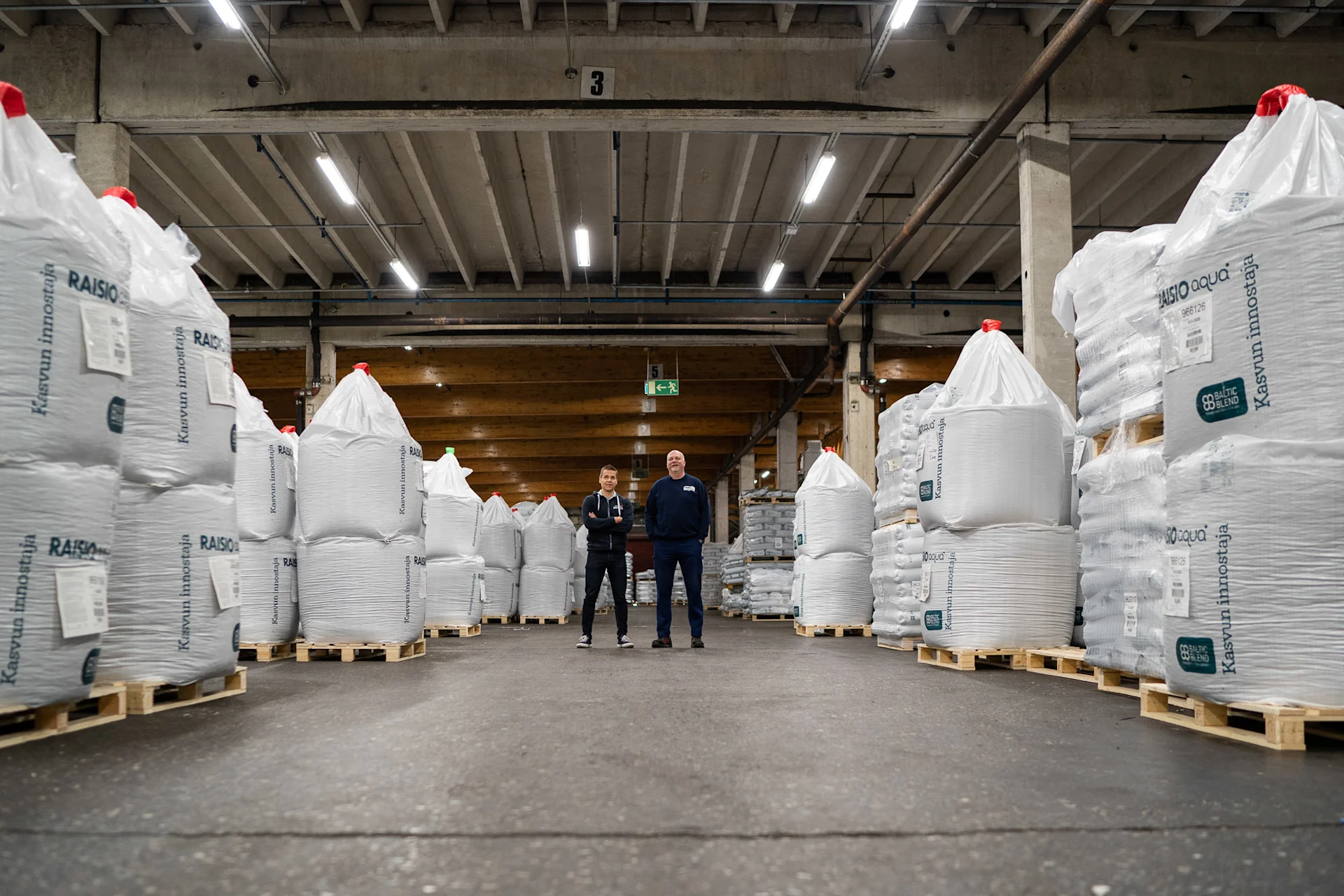
Despite the scale of the project, which involved replacing a large number of components, the amount of waste during the commissioning phase remained low.
“I was pleased to see that there was very little waste, and we were able to start producing sellable products almost immediately. In my view, this indicates that the level of automation was already quite high at the time of commissioning. The issues that were addressed afterward were more about fine-tuning,” Elonen explains.
“When it comes to a software project, it does not truly come to an end even if the hardware side is complete. The system needs to be used in order to identify the final issues and bugs. Toward the end, there was a kind of ‘babysitting phase,’ which turned out to be a good idea. Not all issues are obvious—some can be somewhat hidden,” they continue.
Although the schedule was ambitious, it was met.
“From a scheduling perspective, the project went exactly as planned. We produced the first feed batches on the agreed date, right on schedule,” Elonen summarizes.
“Insta’s project execution model is good. Both the project manager and the specialists are highly professional and know what they are doing. Even though the environment was challenging, they handled the work very well,” Elonen praises.
They do, however, see some room for further development in terms of system usability.
“I’m not entirely sure that we have achieved the desired level of usability in all respects with the current system. Our previous system was so simple that it was extremely easy for users to operate. I do believe this one can be made even better as well, once we give it some time and provide feedback,” Elonen assesses.
Alltech Fennoaqua continuously develops its operations through digitalization. Between 2015 and 2018, the company invested, among other things, in improving production efficiency and product quality.
“One reason we chose Insta was that we knew they are developing many different solutions. Automation itself is constantly evolving, and new technologies are emerging. We are following with interest whether we could also make use of solutions developed by Insta,” Elonen says.
The project has already continued in the form of a small-scale process expansion.
Images: Siemens