Tampereen Energia, specialized in energy production, distribution, and sales, has in recent years focused on addressing the challenges posed by climate change. This has required investments in renewable energy sources and smart solutions. District heating plays a central role in this overall effort.
District heating is a well‑established and competitive form of heating. It is part of critical infrastructure, where disruptions can have widespread impacts on society. The production of power plants and heating plants located across Tampere ensures sufficient district heating even on the coldest winter days.
At the beginning of the year, Tampereen Energia and Insta signed an agreement covering the maintenance and development of the control systems of district heating centres, pumping stations, and mobile district cooling containers. Maintaining these control systems safeguards plant availability during the production season and thereby helps ensure the functionality of the overall system.
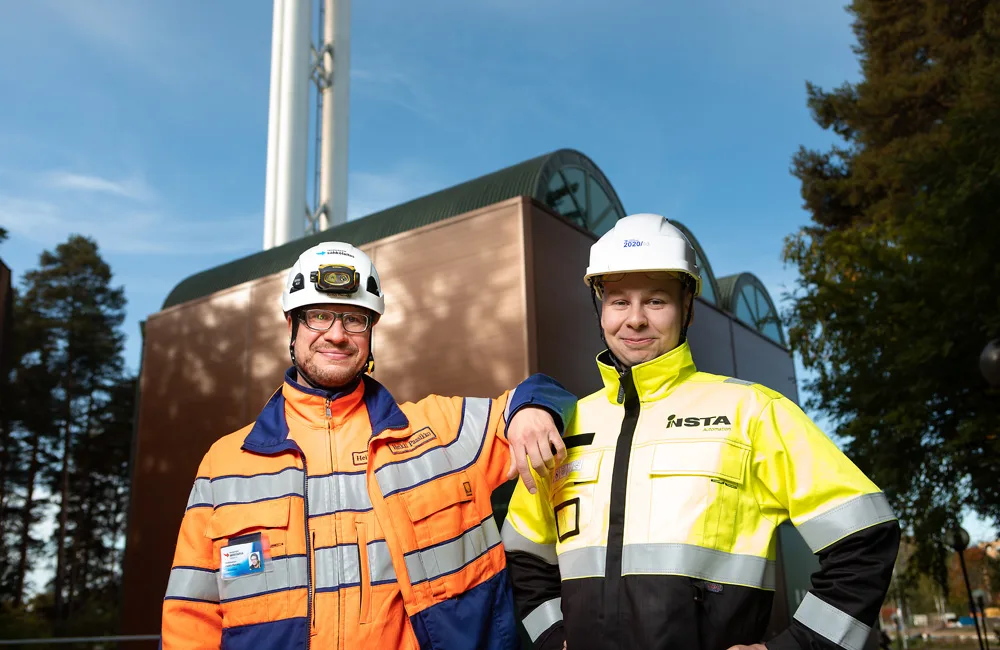
“During the production season, plant availability is extremely important, and any faults must be addressed immediately,” summarizes Heikki Paasikko, Electrical Supervisor at Tampereen Energia.
Solutions to Climate Change
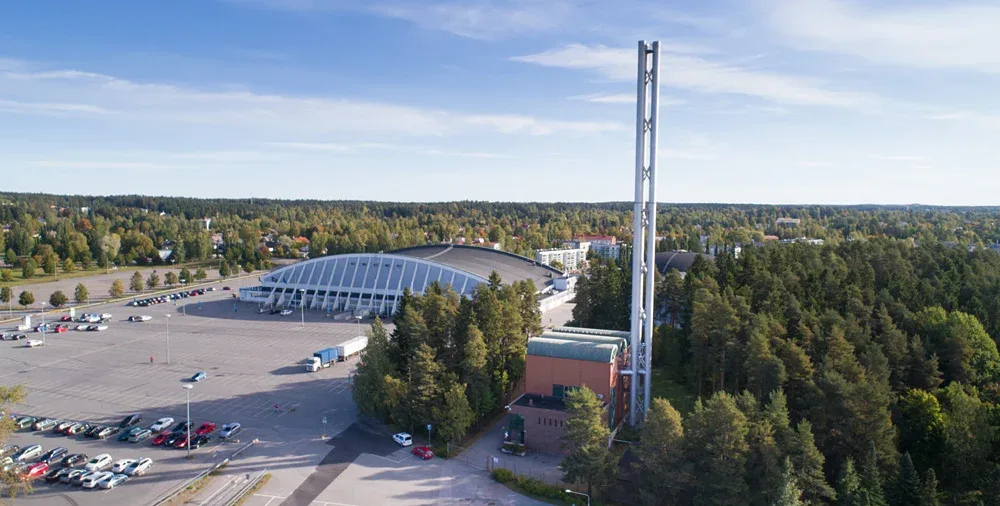
Tampereen Energia has been providing district heating since 1964. Today, the network spans approximately 600 kilometres across Tampere, Pirkkala and Ylöjärvi, serving more than 5,500 district heating customers. In total, over 200,000 residents and employees in homes and commercial buildings rely on district heating in these areas. Tampereen Sähkölaitos produces district heat mainly through combined heat and power production, which saves roughly one third of the energy compared to producing heat and electricity in separate processes.
Tampereen Energia made its energy transition already in 2010, when it decided to gradually phase out fossil fuels and increase the use of renewable fuels. The company has systematically expanded the use of biofuels in district heat production and built the Tammervoima waste-to-energy plant, where mixed municipal waste is used to generate electricity and district heat. Approximately 50% of mixed waste is considered fossil-based. Despite this, the CO₂ emissions from district heating in Tampere will decrease by around 95% between 2010 and 2030.
Environmental responsibility requires not only investing in renewable energy sources but also developing smart solutions. An example of Tampereen Energia’s heating innovations is the award‑winning heating and cooling technology implemented at the Kaleva outdoor swimming pool, where the district cooling network is harnessed to heat the pool water. The company has also made significant investments in the production and distribution of environmentally friendly district cooling in Tampere. Insta carried out the installation of process electrification and instrumentation at the district cooling plant located in Kaupinoja.
Trust Built Through Previous Collaboration
According to Paasikko, Insta was selected as the provider of control system maintenance services not only because of its expertise and local presence, but also thanks to the positive experiences from previous cooperation. In 2017, for example, Insta delivered the local automation system and control room for the Alasjärvi district heating pumping station, which transfers district heat produced at the Tammervoima waste‑to‑energy plant further into the network.
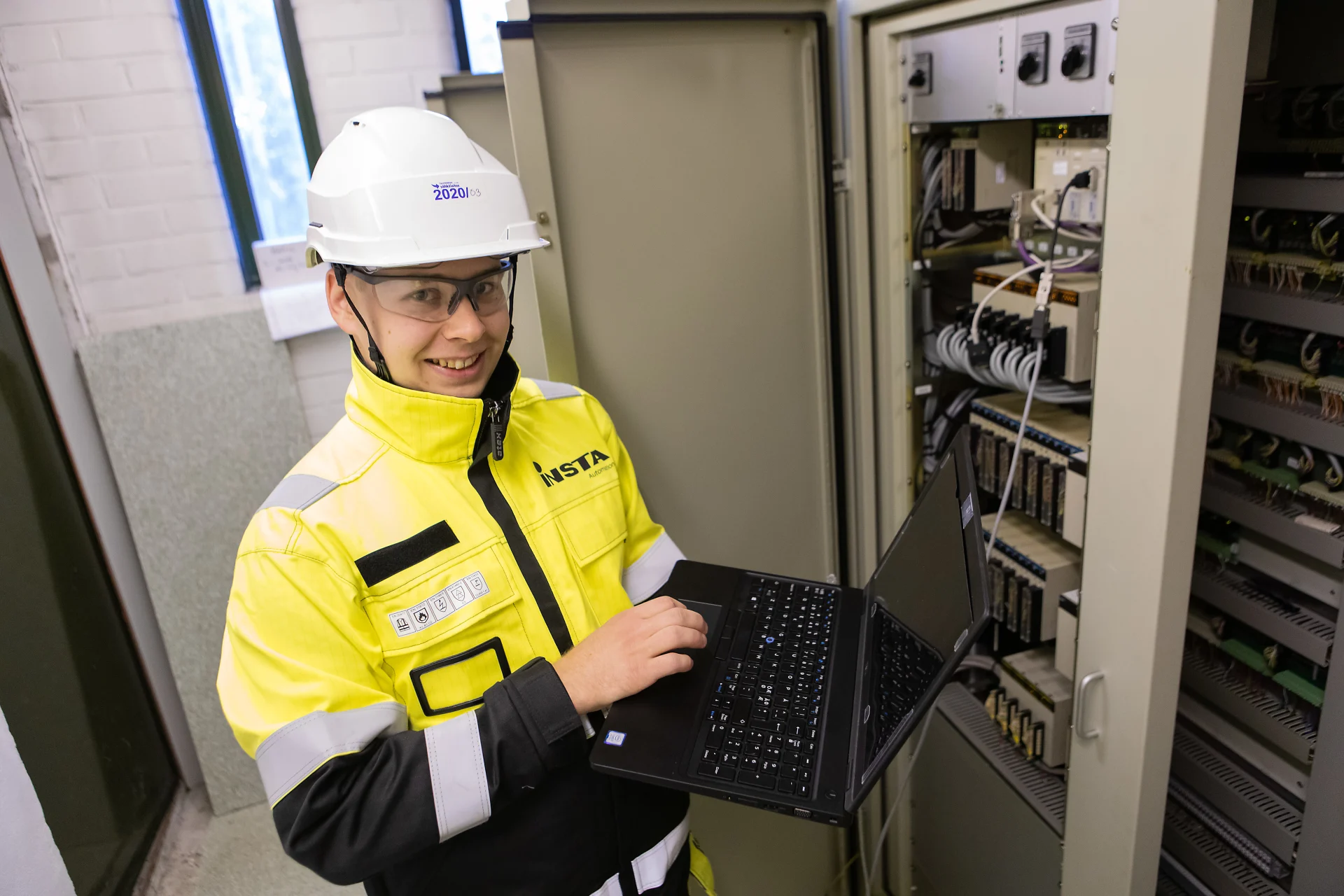
The maintenance sites include heating centres, pumping stations, valve chambers, pressure‑reducing stations, and district cooling stations. Critical equipment is inspected annually, while other equipment is serviced according to the maintenance programme. In addition to maintenance, Insta provides Tampereen Sähkölaitos with training and on‑call services.
The guidelines for maintenance have been defined together, after which the systematic review of the sites has begun. All completed work is carefully documented, and at the same time a long‑term plan is created to map future maintenance needs.Paasikko praises the smooth cooperation.
“We have received service quickly. The work has been carried out with high quality, and the reports have been delivered promptly,” Paasikko summarizes. The collaboration is continuously being developed with the future in mind.
More Information
Janne Niiranen
Profit Center Manager
Insta Automation
Tampere
firstname.lastname (at) insta.fi
What It’s All About
Tampereen Energia is a modern energy group founded in 1888. It produces domestic, renewable energy and develops future energy solutions. In 2019, Tampereen Energia produced 2,250 GWh of district heat.
District heating is the most common form of heating in Finland. It is produced in combined heat and power plants as well as separate heating plants. In total, 166 municipalities have a district heating network.
The share of energy‑efficient combined heat and power (CHP) production in district heating has increased significantly in recent decades. CHP plants operate with very high efficiency.
The main fuels used for district heating are wood, peat, natural gas, and coal. When renewable fuels are used (wood, wood chips, pellets, biogas), the environmental impacts are further reduced.
Heat pumps have also been introduced into production, enabling the utilization of waste heat from sources such as wastewater, industry, data centres and other buildings’ cooling systems, or district cooling. Heat pumps and waste‑heat recovery improve energy efficiency.
Sources: Finnish Energy (Energiateollisuus ry), Motiva, Tampereen Energia